
The Pattern Has Not Changed. Only the Tools Have.
The pattern of small business failure has not changed — only the tools have. David Egerton explains why foundations matter more than ever in the AI era.
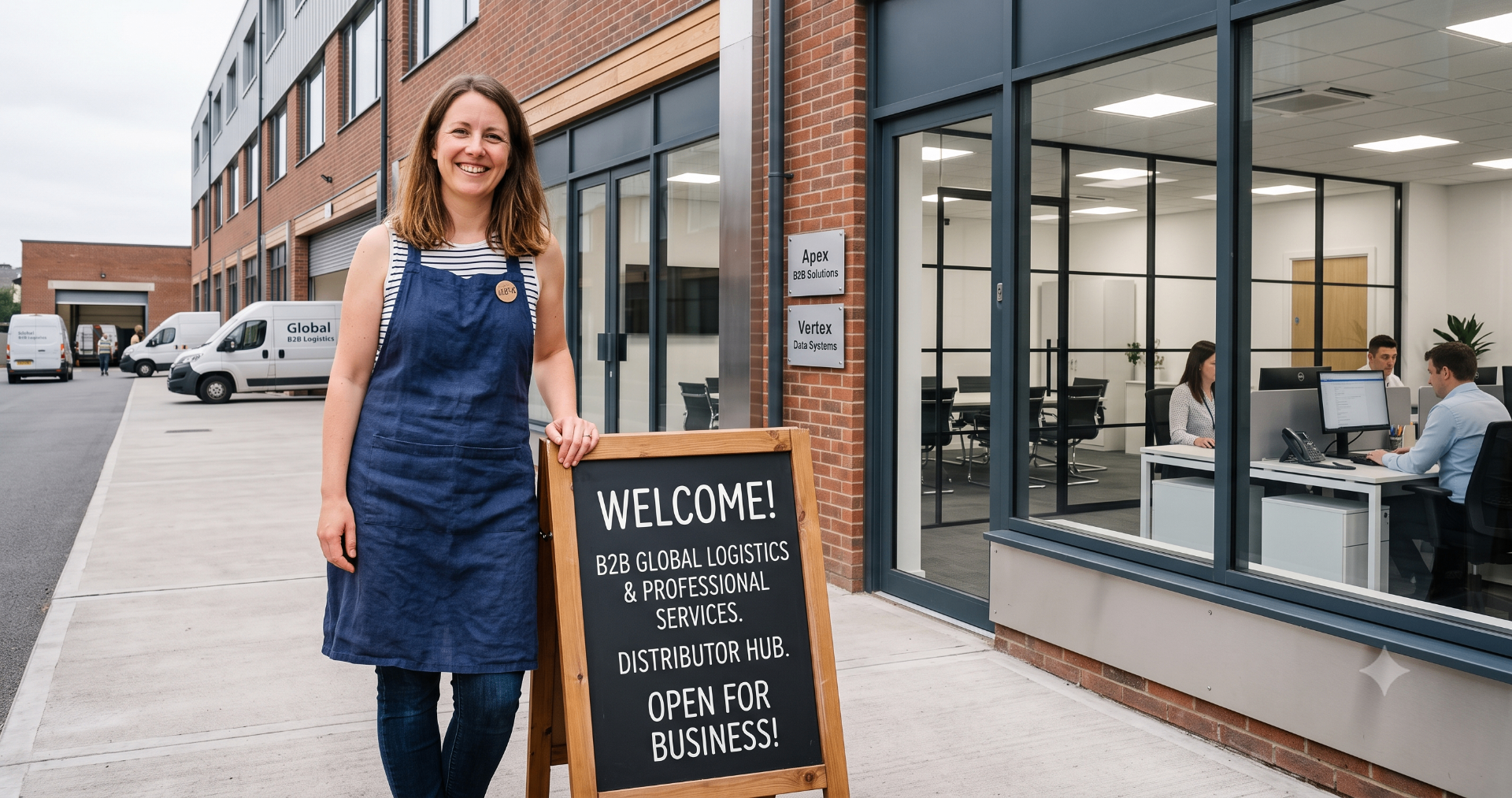
There are 5.7 million private sector businesses in the UK.
4.27 million of them have no employees at all.
That is not a footnote. That is the economy.
More people are choosing to work for themselves. Not because it is easy. Because the tools to do it have never been more accessible, the appetite for autonomy has never been stronger, and the old model is losing its appeal. Long hours, someone else's agenda, someone else's upside.
But the risk is real and the numbers are honest.
Around one in five UK businesses do not survive their first year. Around six in ten are gone within five. Cash flow is blamed most often. Lack of real market demand comes second.
Both are foundation problems. Not effort problems.
I have been watching this happen since I started my first business selling accountancy and manufacturing software to small businesses back in 1989.
The pattern has not changed. Only the tools have.
The first trap
People go solo with a genuine skill. They find customers. Work comes in, then it does not. They pay themselves last. They try some marketing. Nothing quite sticks.
The second trap
Then, when they have some success, something else often happens that does not get anticipated because there was never the time for systems and process thinking.
They get busy. They hire someone to take the pressure off. Then another. Suddenly they are managing people, covering salaries, doing less of the work they were good at, and earning less than they did on their own.
They did not build a business. They built a job with a payroll attached.
The same root cause
The problem in both cases is the same. The foundations never got properly built: who you are actually for, what they will pay, whether there are enough of them, what you genuinely want from this. Every decision made after that can create more confusion instead of more clarity.
The smartest owners do not push harder alone and they do not panic hire. And I always encourage them to build with less risk, because most cannot afford to lose their savings.
Sometimes that means a partner or contract work alongside the business in the early stages. Income and stability while the foundations are being built properly. Not retreat. Just smart sequencing.
Now add AI
54% of UK SMEs are actively using AI in 2026, up from 23% in 2023. The ones getting real results are not the ones with the most tools. They are the ones who knew what they were trying to achieve before they opened a single app.
I have seen owners spend hours prompting AI to write their website copy when they have not yet worked out who it is for. The tool is not the problem.
Give it a clear picture of who you serve, what they actually pay for, and why they trust you. It builds your website, sharpens your copy, and handles work that used to need a team.
Give it assumptions, and it just makes the wrong things happen faster.
A business of one to ten people with clear foundations and the right AI tools can now compete with firms that used to need three times the headcount. That is happening now, across trades, studios, professional services and creative businesses in the UK.
But the tools are becoming the same for everyone
Same platforms. Same templates. Same starting point.
What nobody can copy is why your customers actually trust you. That does not come from a prompt. It comes from doing the work to understand who you serve, what they need, and why they chose you over everyone else.
Human trust is becoming the differentiator. The foundations are what make it possible.
What the Lockgate Method is built for
This is exactly what the Lockgate Method is built for. Small businesses, one to ten people, who want to get the foundations right, use the tools available to them, and build something that actually pays them. Not become another statistic.
If any of this has landed, the Discovery Call is the place to start. Forty-five minutes, free, no obligation. We look at where you are, what is getting in the way, and whether getting the foundations right is the right next step for you.